5 August 2026
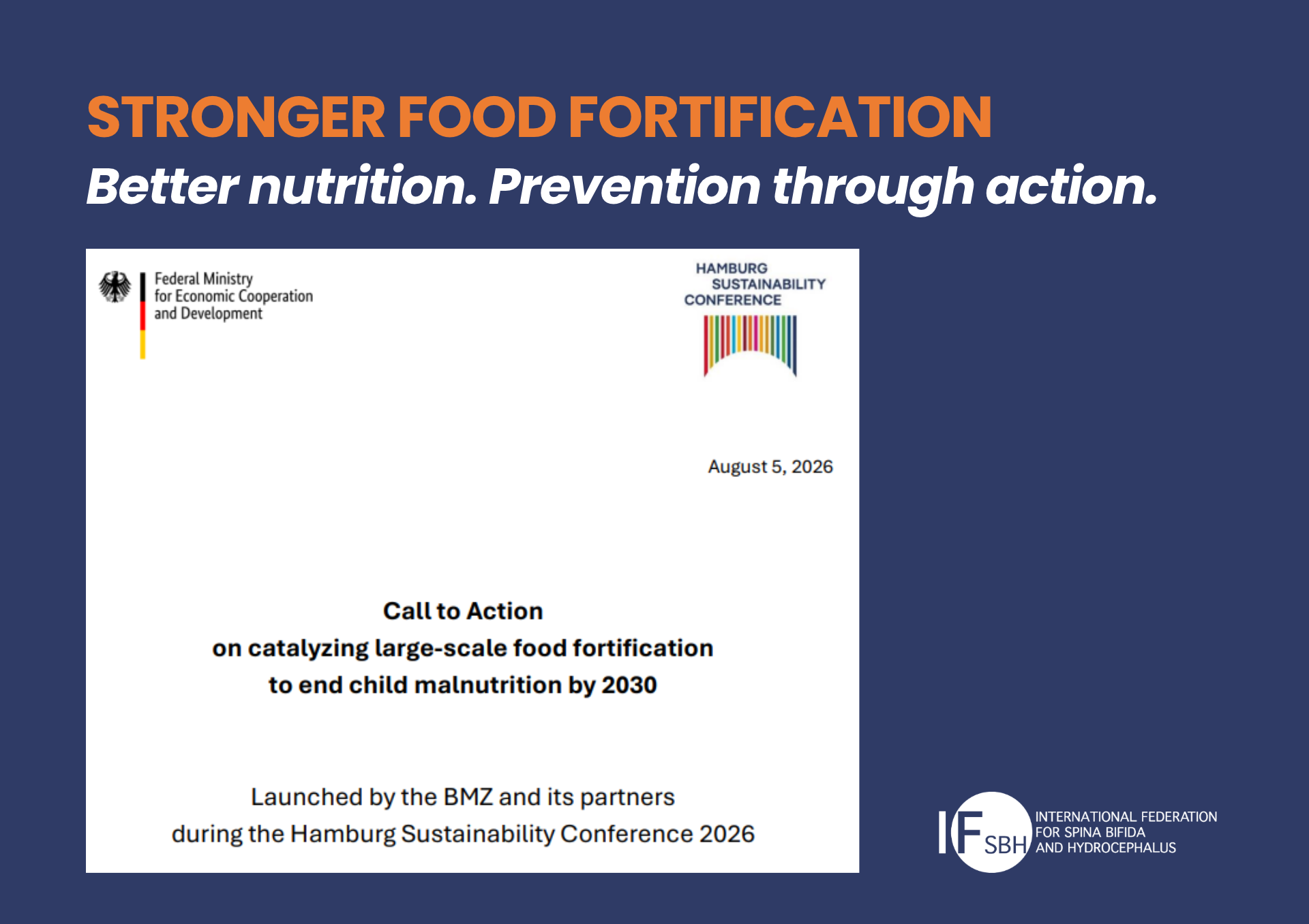
IFSBH is among the endorsing partners of a global initiative led by the German Federal Ministry for Economic Cooperation and Development (BMZ), calling for accelerated action on large-scale food fortification to end child malnutrition by 2030.
Good nutrition is essential for healthy development, yet micronutrient deficiencies continue to affect millions of people worldwide. Improving access to essential vitamins and minerals through the foods people consume every day is an important part of addressing this challenge.
Launched on 30 June 2026 at the Hamburg Sustainability Conference, the Call to Action on Catalysing Large-Scale Food Fortification to End Child Malnutrition by 2030 brings together governments, international organisations, civil society and private-sector partners around a shared commitment to scale up food fortification.
Large-scale food fortification involves adding essential vitamins and minerals to commonly consumed foods, such as flour, rice, oil and salt, during processing. When supported by appropriate policies, standards and quality controls, it can help address widespread micronutrient deficiencies and improve nutrition outcomes.
Five pathways for collective action
The Call to Action identifies five areas for accelerating progress:
- Reaching marginalised populations and ensuring that fortification efforts benefit those most at risk of micronutrient deficiencies.
- Strengthening regulatory governance, standards and monitoring.
- Leveraging trade and market systems to expand access to fortified foods.
- Mobilising the private sector and strengthening partnerships.
- Building an enabling environment through stronger systems, capacity, data and research.
Achieving these ambitions requires coordinated action across sectors, with governments, civil society, businesses and international partners working together.
Why this matters for Spina Bifida prevention
For IFSBH, food fortification is closely connected to our longstanding work on the prevention of neural tube defects, including Spina Bifida.
Adequate maternal nutrition is essential for healthy pregnancy and child development. Folic acid is particularly important before conception and during the early stages of pregnancy, when the neural tube develops. Mandatory folic acid fortification of staple foods is one of the most effective public health measures to help prevent neural tube defects, alongside improved access to supplementation, public awareness and stronger maternal health policies.
For more than 40 years, IFSBH has advocated for effective prevention strategies, including mandatory folic acid food fortification. We recognise that large-scale food fortification can contribute to better nutrition outcomes when integrated into wider health systems and supported by equitable access to healthcare.
Supporting collective action
By endorsing the Call to Action, IFSBH joins a broad group of partners committed to accelerating progress on food fortification and improving nutrition worldwide.
We welcome this collective effort and its recognition of the importance of partnerships across sectors. We will continue to advocate for effective fortification policies, including mandatory folic acid fortification, as part of broader efforts to prevent avoidable disabilities and advance the health and rights of people with Spina Bifida and Hydrocephalus.
Read the Call to Action on Catalysing Large-Scale Food Fortification to End Child Malnutrition by 2030.