19 November 2026
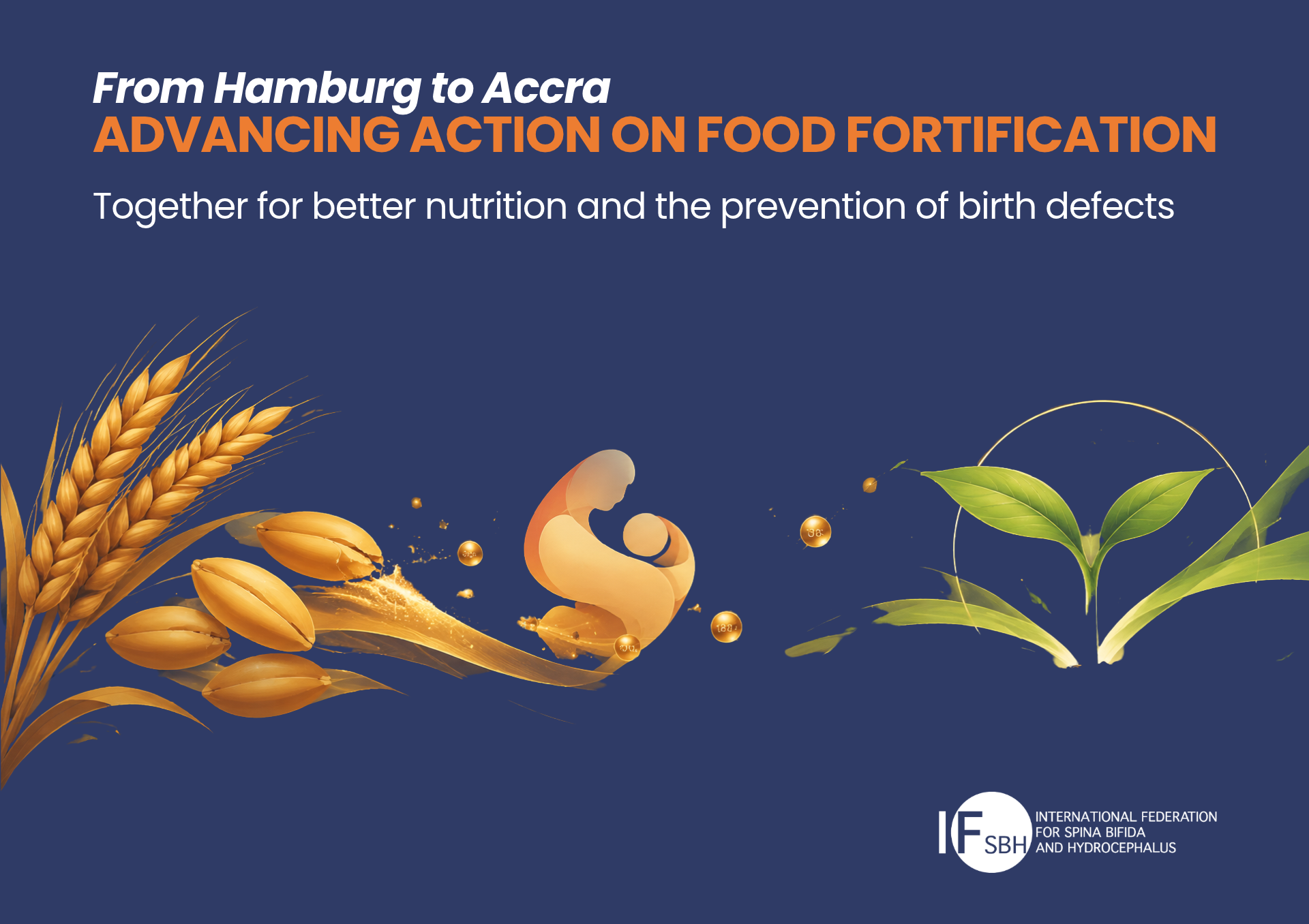
The first partners’ meeting of the Call to Action on Catalysing Large-Scale Food Fortification to End Child Malnutrition by 2030 brought together more than 70 stakeholders to discuss how to turn shared commitments into action. IFSBH welcomes the progress and continued collaboration towards stronger food fortification policies.
On 29 September 2026, Germany’s Federal Ministry for Economic Cooperation and Development (BMZ) convened the first Call to Action Partners Meeting in Accra, Ghana, as a side event of the Micronutrient Forum’s 7th Global Conference.
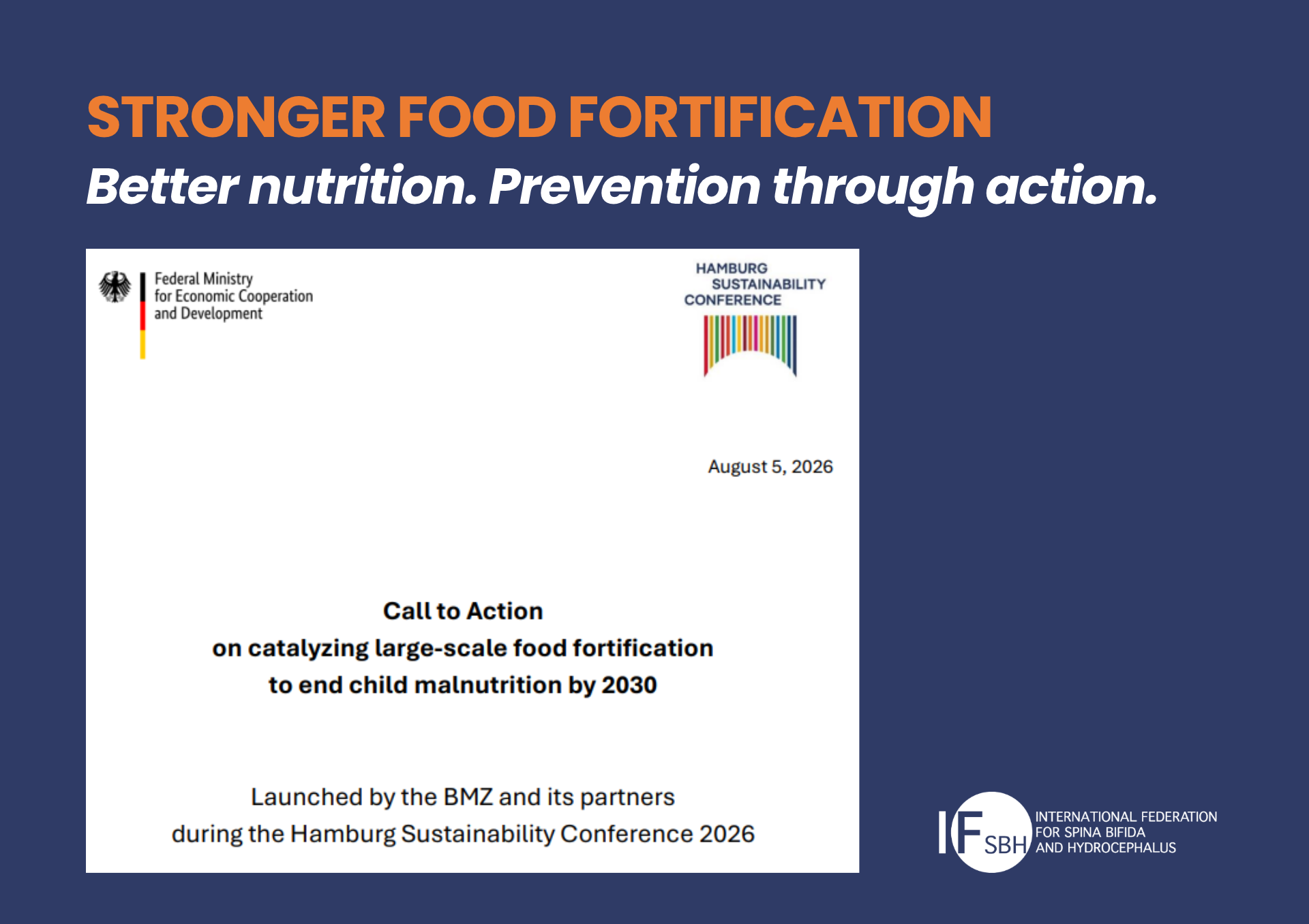
The meeting brought together more than 70 representatives from governments, international organisations, civil society, academia and the private sector. It followed the launch of the Call to Action at the Hamburg Sustainability Conference in June 2026 and aimed to strengthen partnerships, identify opportunities for collaboration and prepare for the initiative’s first annual stocktake in January 2027.
IFSBH is an endorsing partner of the Call to Action and welcomes the collective efforts to accelerate large-scale food fortification. The Federation supports its ambition to address micronutrient deficiencies, improve nutrition outcomes and ensure that more people benefit from access to essential vitamins and minerals.
From shared commitments to practical action
Discussions during the meeting focused on how partners can advance the five action pathways set out in the Call to Action:
- Reaching the most marginalised populations, including mothers and children.
- Strengthening regulatory governance and implementation.
- Leveraging trade and market systems.
- Mobilising the private sector and building partnerships.
- Creating an enabling environment through stronger policies, systems and accountability.
Participants highlighted several priorities for progress towards 2030. These included making fortified foods more accessible through school meals, social protection and humanitarian programmes; strengthening regulatory standards and monitoring; addressing trade and supply-chain barriers; and improving coordination, data use and accountability.
The discussions also underlined the importance of sustained financing, access to affordable and quality fortification inputs, and stronger collaboration between governments, businesses and development partners.
Looking ahead to 2027
The meeting marked an important step towards translating the Call to Action into coordinated activities. The next key milestone will be the first annual stocktake, planned for January 2027 in Berlin, on the margins of International Green Week and the Global Forum for Food and Agriculture.
This will provide an opportunity for partners to review progress, identify remaining gaps and explore further opportunities for collaboration.
Why this matters to IFSBH
For IFSBH, large-scale food fortification is particularly relevant to efforts to prevent neural tube defects, including Spina Bifida. Mandatory folic acid fortification of staple foods is an effective public health measure that can help prevent these conditions and improve maternal and child health outcomes.
We welcome the continued attention to food fortification and the commitment of partners to working across sectors to improve access to essential nutrients. IFSBH will continue to advocate for effective folic acid fortification policies as part of broader efforts to strengthen prevention, improve health equity and reduce avoidable disabilities.
January will also be an important month for IFSBH’s advocacy workas we will mark World Folic Acid Awareness Week (WFAAW 2027) during the first week, including a webinar planned for 7 January, to raise awareness of the importance of folic acid and the role of food fortification in preventing neural tube defects.
Read more and explore the meeting resources: