29 May 2026
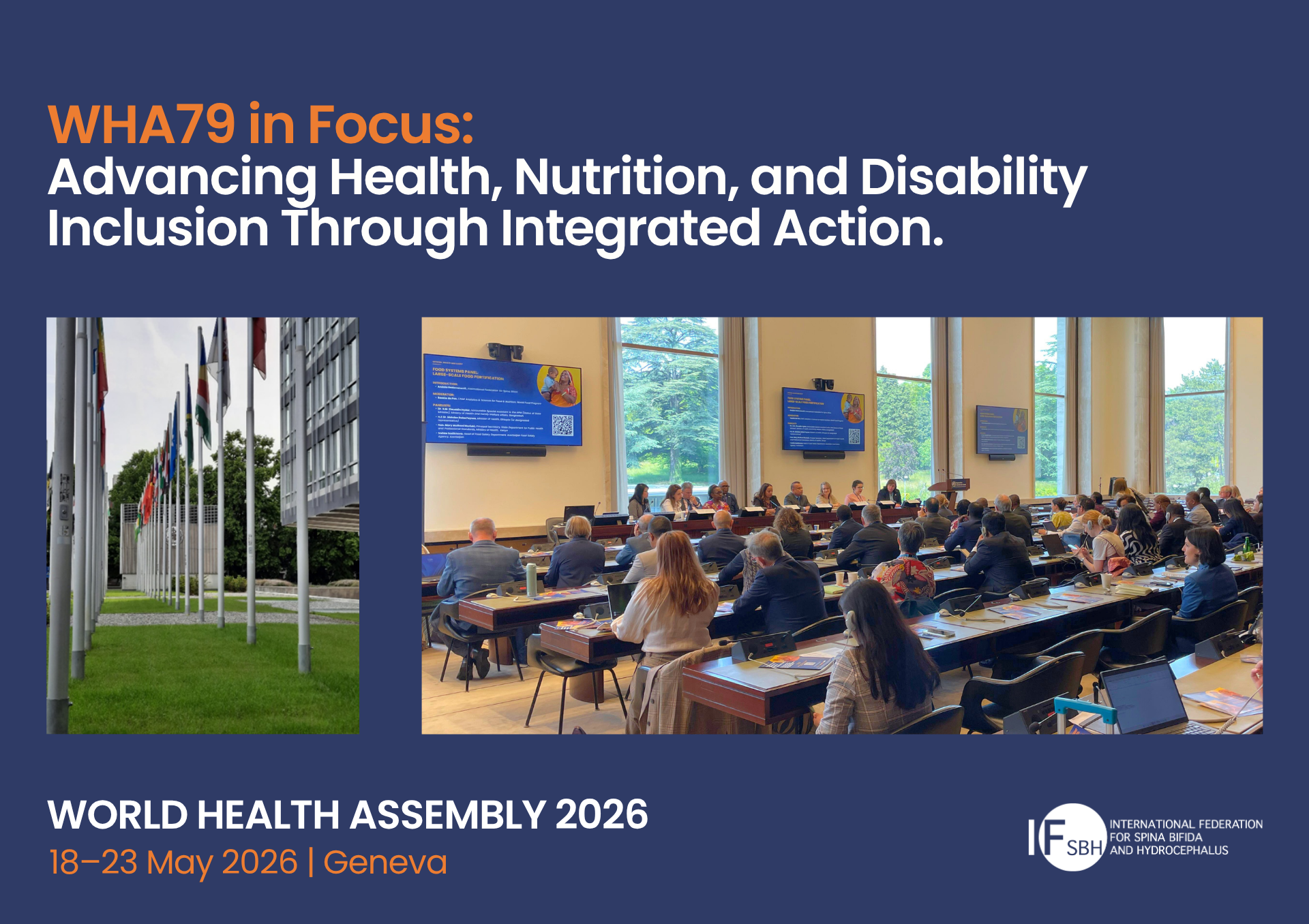
The Seventy-ninth World Health Assembly (WHA79) in Geneva marked an important moment for global health, bringing renewed attention to the interconnected agendas of nutrition, maternal and child health, disability inclusion, rare diseases, and assistive technology.
For IF, the WHA79 was both a platform for advocacy and a moment of reflection: on progress made, gaps that remain, and the urgent need to translate commitments into action across sectors.
Nutrition as a Foundation for Prevention and Health Equity
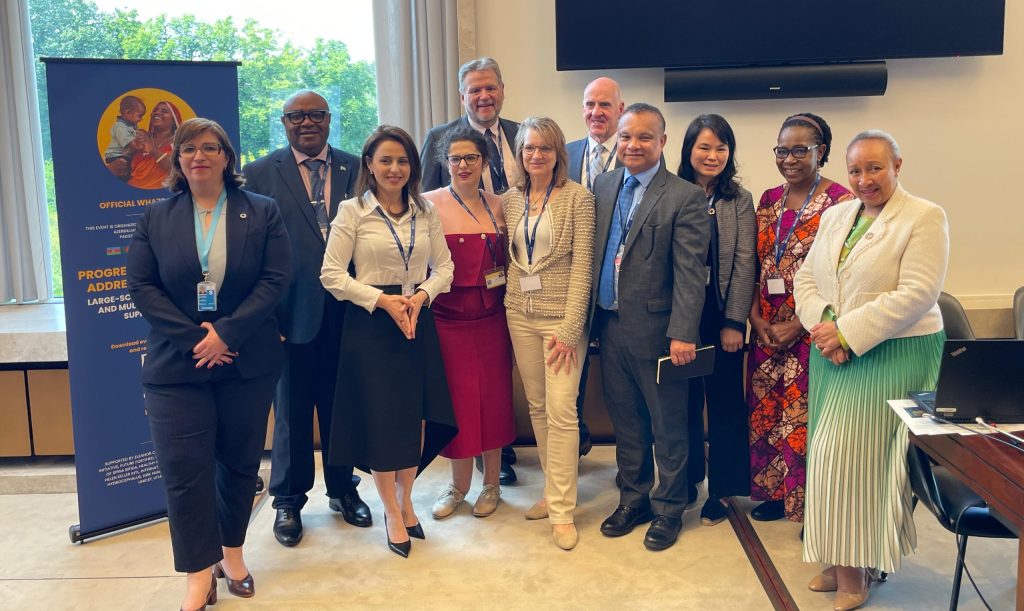
On 21 May 2026, IF joined governments, UN agencies, technical partners, civil society organizations, and youth advocates at the official side event:
“Large-Scale Food Fortification and Multiple Micronutrient Supplementation: Progress and Promise to Address Malnutrition”
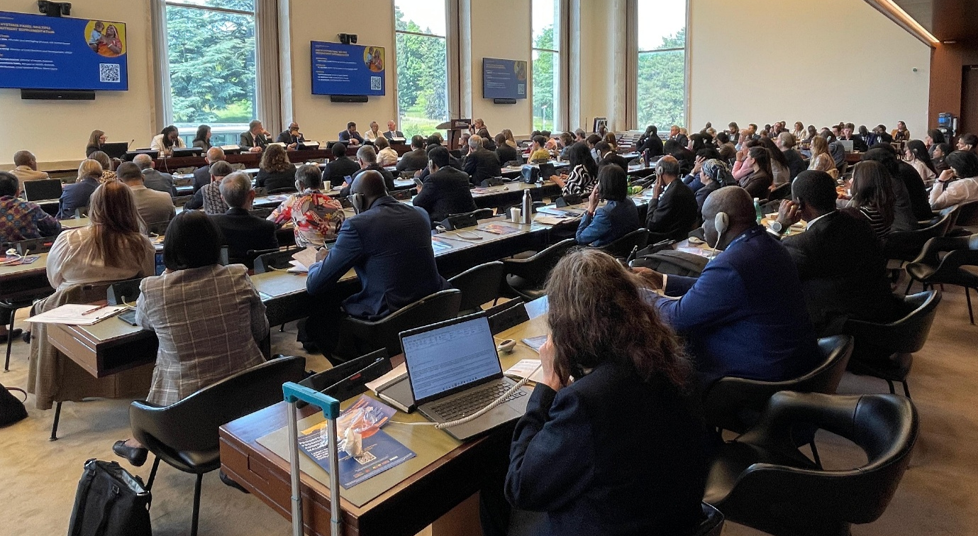
The event convened more than 120 participants at the Palais des Nations and highlighted two of the most evidence-based and cost-effective interventions in global nutrition: large-scale food fortification (LSFF) and multiple micronutrient supplementation (MMS).
These interventions are central not only to addressing malnutrition, but also to strengthening maternal and newborn health and preventing NTDs such as spina bifida, a leading cause of preventable lifelong disability. More than two billion people globally continue to suffer from micronutrient deficiencies, underscoring the urgency of sustained political commitment and accelerated implementation.
Building on WHA Resolution 76.19: From Commitment to Action
WHA79 took place two years after the adoption of WHA Resolution 76.19, which calls for accelerated efforts to prevent micronutrient deficiencies and neural tube defects through safe and effective food fortification.
For IF and its partners, the resolution remains a landmark achievement, reflecting years of advocacy and establishing a clear global mandate for action.
At WHA79, the message was clear: the challenge is no longer scientific evidence, but implementation. Countries are increasingly advancing national fortification systems and integrating nutrition into broader health and food system strategies, though progress remains uneven and sustained investment is needed.
Country Leadership and Growing Global Momentum
The LSFF panel showcased strong leadership from governments committed to advancing fortification and maternal nutrition policies.
Countries including Bangladesh, Ethiopia, Kenya, and Azerbaijan highlighted concrete progress:
- Bangladesh outlined efforts to scale wheat flour and rice fortification and expand social protection systems through fortified food distribution.
- Ethiopia reaffirmed its commitment to food fortification as part of its maternal and child health strategy, including plans for double-fortified salt containing iodine and folic acid.
- Kenya emphasized integrated food system approaches, including fortified rice standards, regulatory strengthening, and multi-stakeholder collaboration.
- Azerbaijan highlighted coordinated national action to strengthen food safety systems and reduce micronutrient deficiencies.
Across discussions, a shared message emerged: fortification is a scalable, cost-effective intervention that requires strong political leadership, regulatory systems, and multisectoral collaboration.
Human Impact: Prevention, Dignity, and Inclusion
A defining moment of the side event came from youth leader Anđela Radovanović (IF) and neurosurgeon Dr. Jeffrey Blount (GAPSBIF), who grounded the technical discussions in human experience and rights.
Anđela emphasized that neural tube defects such as spina bifida (one of the conditions she herself lives with) remain largely preventable through proven measures such as folic acid fortification.
It was underscored that prevention must always go hand in hand with dignity, rights, and inclusion. Persons with disabilities must never be reduced to statistics or medical outcomes.
Importantly, together with Dr. Blount she also highlighted that disability must be understood within its broader social and environmental context. Disability is not solely an individual condition, but is significantly shaped by societal structures, policies, and levels of inclusion. Barriers in health systems, nutrition access, education, and social protection can determine whether impairments translate into exclusion or full participation. In this sense, responsibility lies not with individuals, but with systems that either enable or restrict equity and inclusion.
She concluded by calling for stronger collaboration, greater investment, and concrete action to address malnutrition in all its forms, reaffirming that every child deserves the healthiest possible start in life, and every community deserves policies that protect health, dignity, and fundamental rights.
Multiple Micronutrient Supplementation: Strengthening Maternal Health Systems
The second half of the event focused on MMS and its role in strengthening antenatal care systems.
Countries including Pakistan, Sierra Leone, and Rwanda shared experiences demonstrating growing momentum: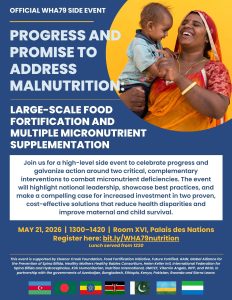
- Sierra Leone highlighted its national-scale integration of MMS into antenatal care systems.
- Rwanda shared its use of essential medicines listing, implementation research, and financing partnerships to scale MMS.
- Pakistan outlined its ambition to reach 50% of pregnant women with MMS by 2027 through integrated health services.
The launch of the Ministerial Declaration on Scaling Up MMS for Maternal and Child Health, marked a significant step toward coordinated global action for maternal and newborn health.
Beyond Nutrition: Disability Rights, Rare Diseases, and Assistive Technology
WHA79 also provided an important opportunity to engage across broader global health and rights agendas.
Discussions on disability rights, rare diseases, and assistive technology reinforced the need for integrated systems that support individuals across the life course.
For IF, prevention and inclusion are inseparable. While nutrition interventions such as folic acid fortification and MMS aim to reduce preventable conditions, systems must also ensure access to rehabilitation, assistive technology, education, and social inclusion for persons living with disabilities.
Assistive technology remains a critical enabler of participation and independence, yet access remains highly unequal, requiring stronger investment and policy frameworks.
A Moment to Reflect: Two Years After WHA Resolution 76.19
WHA79 also marked two years since the adoption of WHA Resolution 76.19, offering an important moment to reflect with countries on progress achieved.
The resolution has clearly catalysed action: more countries are strengthening fortification legislation, expanding implementation, and integrating nutrition into broader policies. However, gaps remain in coverage, quality, and monitoring systems.
The overall direction, however, is positive. Showing that sustained advocacy and global cooperation can translate political commitments into real-world progress.
IF and Its Partners: Collective Action for Impact
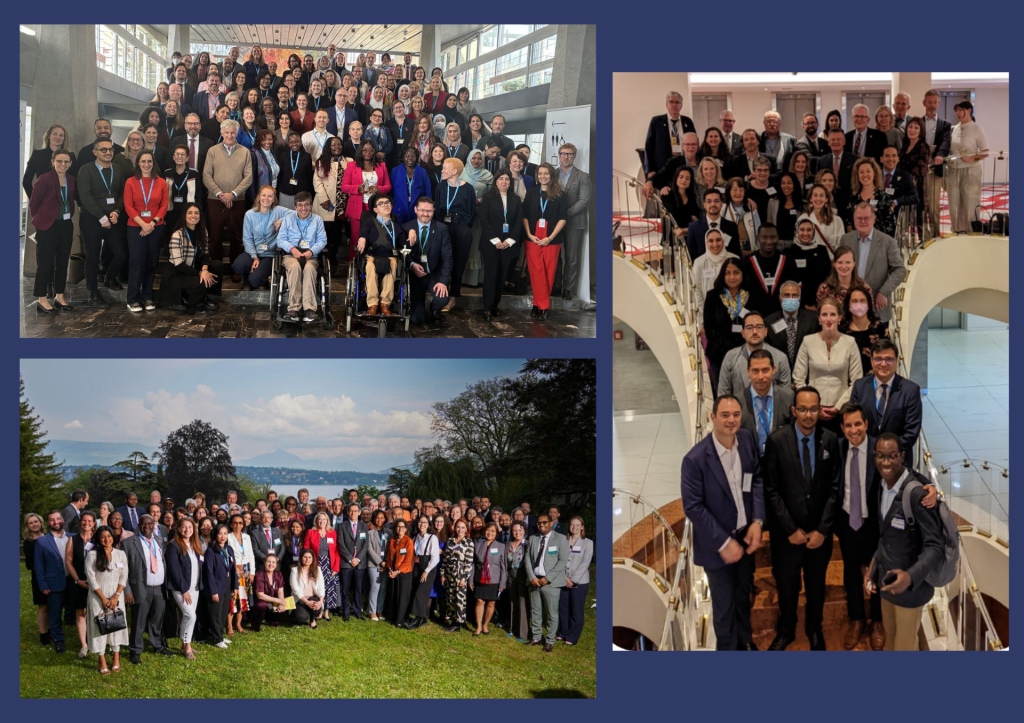
IF extends its sincere appreciation to the strong network of partners that continue to make this work possible and to strengthen global momentum on nutrition, prevention, and inclusion.
In the area of nutrition, IF particularly recognises the leadership and sustained collaboration of key global partners, including the WHO, UNICEF, GAIN, and FFI.
IF also acknowledges the many partners and Member States contributing to the discussions and broader progress. These include the Gates Foundation, Eleanor Crook Foundation, Nutrition International, Future Fortified, the Healthy Mothers Healthy Babies Consortium, Helen Keller Intl, Vitamin Angels, the World Food Programme, the Micronutrient Forum, and Kirk Humanitarian, as well as the governments of Azerbaijan, Bangladesh, Ethiopia, Kenya, Pakistan, Rwanda, and Sierra Leone.
Their leadership, investment, and political commitment continue to be essential in translating global guidance, including WHA Resolution 76.19, into national action and measurable impact.
In disability inclusion and health equity, IF values its engagement as a member of the WHO Disability Health Equity Network, WHO Civil Society Network, WHO Rehabilitation Network, and the Civil Society Engagement Mechanism – CSEM.
This year also marks 20 years since the adoption of the UN Convention on the Rights of Persons with Disabilities – UNCRPD, a landmark framework that continues to guide global efforts toward inclusion and equality. Within this context, IF emphasizes that health equity is a key enabler of inclusion, and that strengthening health and nutrition systems is essential to realizing the rights enshrined in the Convention.
Looking Ahead: An Integrated Global Health Agenda
WHA79 reaffirmed a fundamental message: health, nutrition, disability inclusion, rare diseases, and assistive technology are not separate agendas, but interconnected pillars of sustainable development.
Preventing micronutrient deficiencies is essential not only for nutrition and maternal health, but also for preventing disability and improving lifelong outcomes. At the same time, ensuring inclusion, rights, and access to services is essential for those already living with disabilities.
For IF, the path forward is clear:
- strengthen prevention through proven nutrition interventions
- expand equitable access to maternal health and supplementation
- invest in inclusive health systems and assistive technologies
- ensure disability rights are embedded across all global health policies
- and deepen partnerships that bring together governments, civil society, professionals, and people with lived experience
Above all, WHA79 reinforced a simple but powerful truth: every child deserves the healthiest possible start in life, and every person with a disability deserves the opportunity to live with dignity, autonomy, and full inclusion in society.
Joint Learning and Shared Evidence from WHA79
The discussions and outcomes of the WHA79 side events are further reflected in a joint publication capturing the shared work, evidence, and commitments of partners advancing nutrition, maternal health, and prevention of neural tube defects.
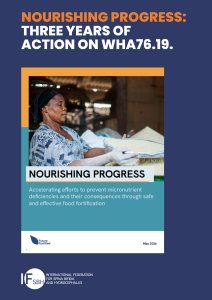
Key resources from WHA79 include:
- Joint Publication “Nourishing Progress. Accelerating efforts to prevent micronutrient deficiencies and their consequences through safe and effective food fortification”
- WHA79 side event proceedings including speech by IF youth speakers Anđela Radovanović
- Publication for which IF provided input “No Reform Without Representation. HEAR CSO Response to WHA on reform”