6 January 2026
How governments, health experts, civil society, and industry are working together to prevent neural tube defects during World Folic Acid Awareness Week 2026
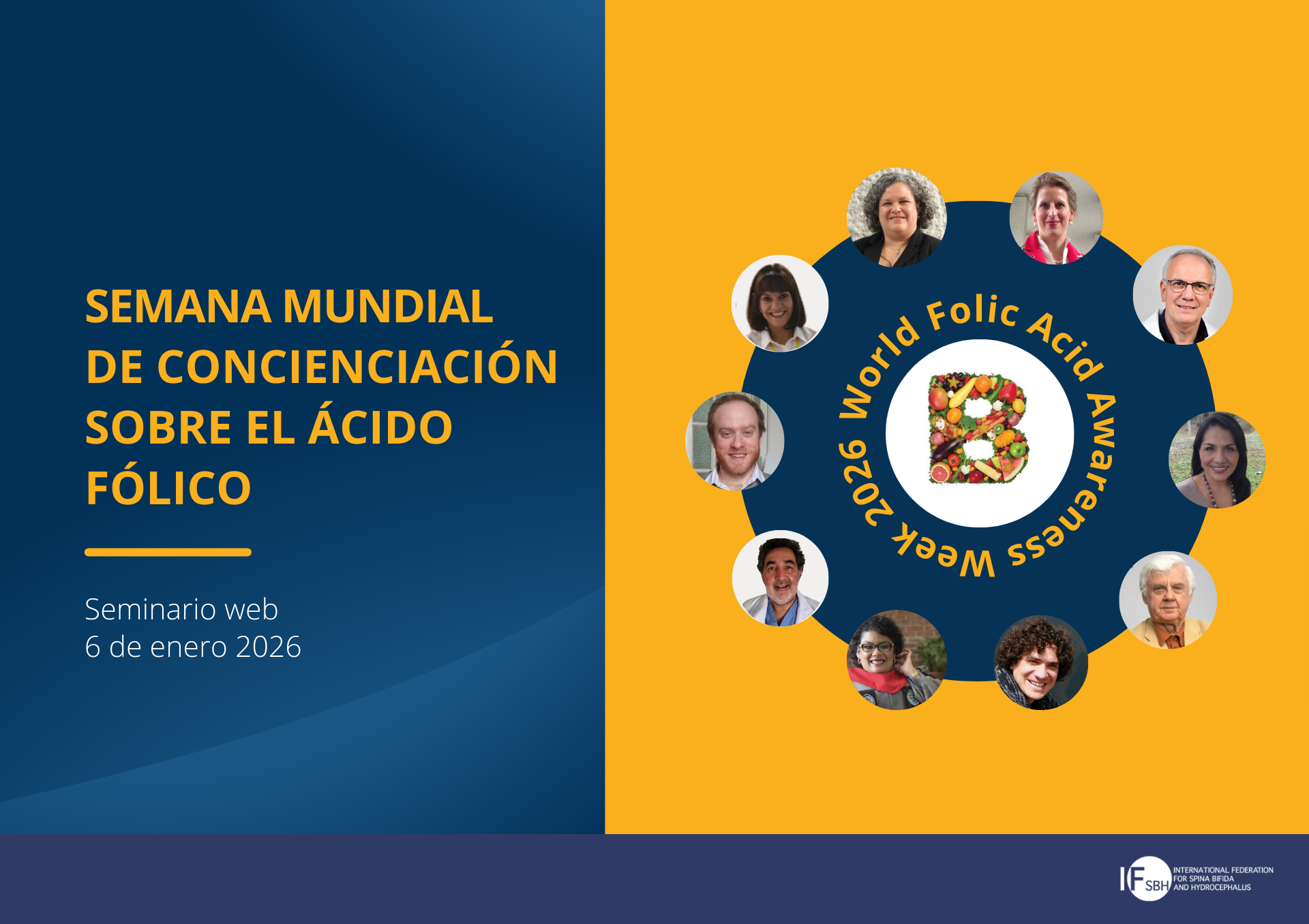
On 6 January 2026, the International Federation for Spina Bifida and Hydrocephalus (IF), through its Global Prevention Initiative, hosted a regional webinar titled “Partnering for Impact: Advancing Folic Acid Food Fortification in Latin America”. The event brought together policymakers, researchers, healthcare professionals, civil society representatives, and the food industry to explore how folic acid food fortification can prevent neural tube defects (NTDs) such as Spina Bifida and Hydrocephalus, while highlighting effective strategies from across the region.
The webinar emphasised that adequate folic acid intake before and during early pregnancy is one of the most cost-effective and equitable public health interventions. It also reinforced that successful prevention depends on coordinated action, strong legal frameworks, robust data systems, and the inclusion of affected communities in program design.
Moderator
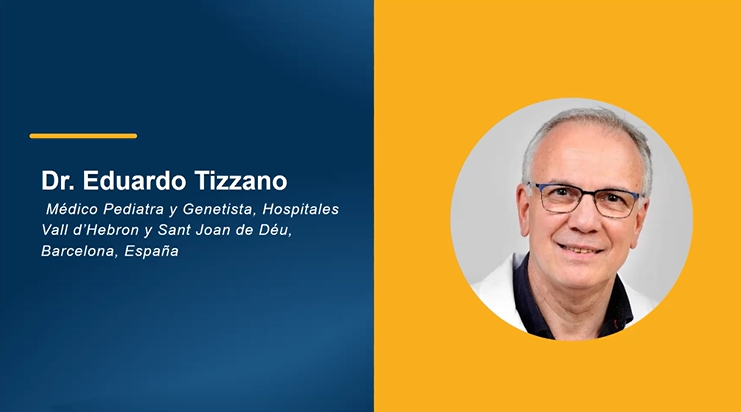
Prof. Dr. Eduardo Tizzano, Pediatrician and Geneticist, Vall d’Hebron and Sant Joan de Déu Hospitals, Barcelona, Spain
Speakers
- Victoria Sandoval, IF President representing RELAEBHI (Latin American Network of Spina Bifida and Hydrocephalus)
- Dr. Sylvia Roozen, IF Secretary General
- Ana Sofia Batres Morales, Guatemalan Spina Bifida Association, Guatemala
- Dr. Adriana Benavides, Coordinator of the Reference Center for Congenital Diseases, Costa Rica
- Dr. Santiago Rodas-Moya, Regional Programme and Policy Officer, Nutrition Unit, World Food Programme
- Dr. Boris Groisman, ICBDSR, Regional Representative, Argentina
- Dr. Santiago A. Portillo Medina, Deputy Head of Pediatric Neurosurgery Service at the Italian Hospital of Buenos Aires, Argentina
- Claudia M. Díaz Chaustre, Milling Plant Management, Santa Marta, Colombia
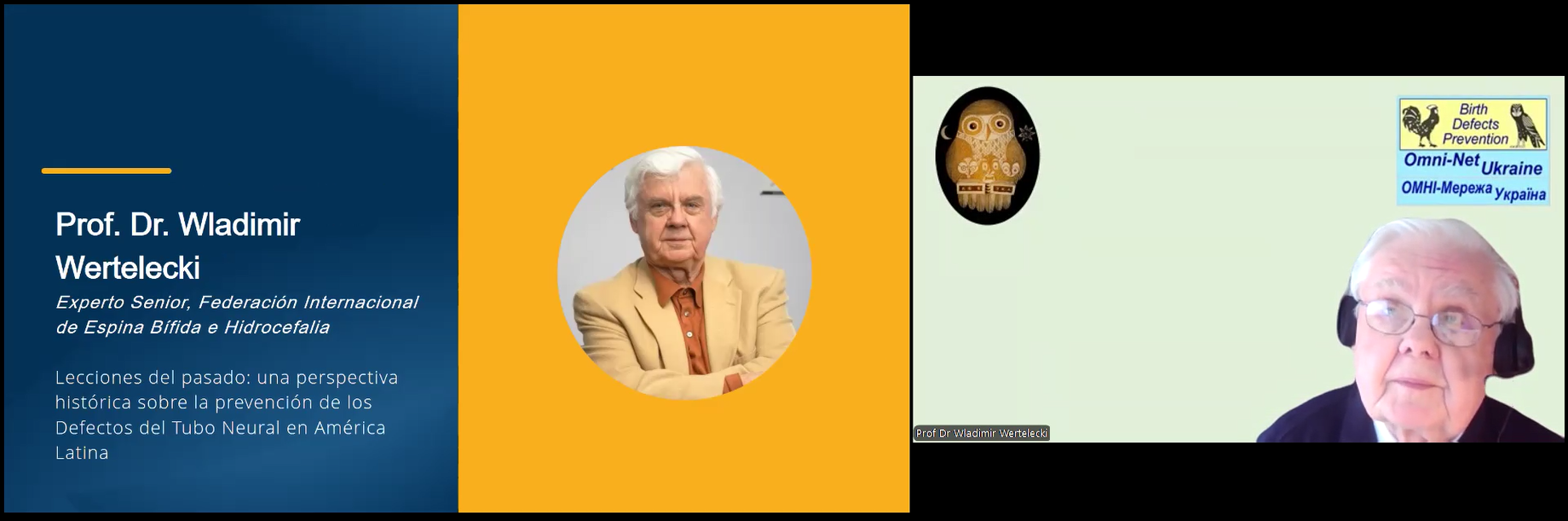
- Prof. Dr. Wladimir Wertelecki, Senior Expert, International Federation of Spina Bifida and Hydrocephalus
Opening Remarks and Regional Vision
The IF President, Victoria Sandoval, opened the webinar recognizing the need for a regional policy with shared standards, coordinated care and follow-up networks, backed up by reliable data and good practice exchange. Such a framework is necessary to ensure effective prevention and adequate support systems across Latin America. IF Secretary General, Dr. Sylvia Roozen, added that the region already has many successful food fortification programs that demonstrate the effectiveness of this strategy. She underlined IF’s role in promoting these examples and fostering partnerships to expand prevention efforts throughout the region.


Highlighting Regional Perspectives
The webinar, moderated by Prof. Dr. Tizzano, Pediatrician and Geneticist at Barcelona’s Vall d’Hebron and Sant Joan de Déu Hospitals and member of the IF Genetics Advisory Group, highlighted the wealth of experience and best practices across Latin America in advancing folic acid food fortification.
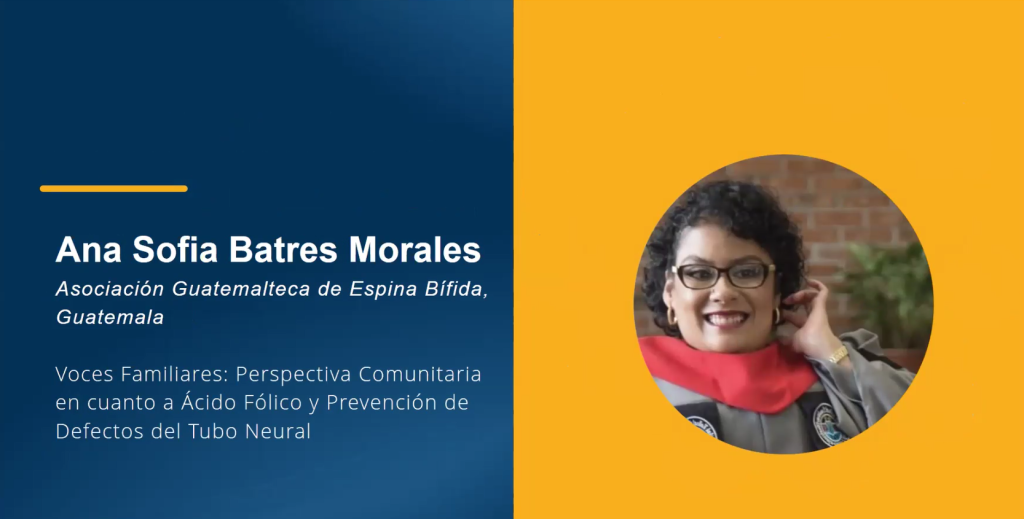
From a community perspective on NTD prevention, the Guatemalan Spina Bifida Association representative, Ana Sofia Batres, shared her lived experiences as a person with Spina Bifida and stressed the importance of adopting comprehensive support systems that respect the right to health and work not only of persons with disabilities but also their families.
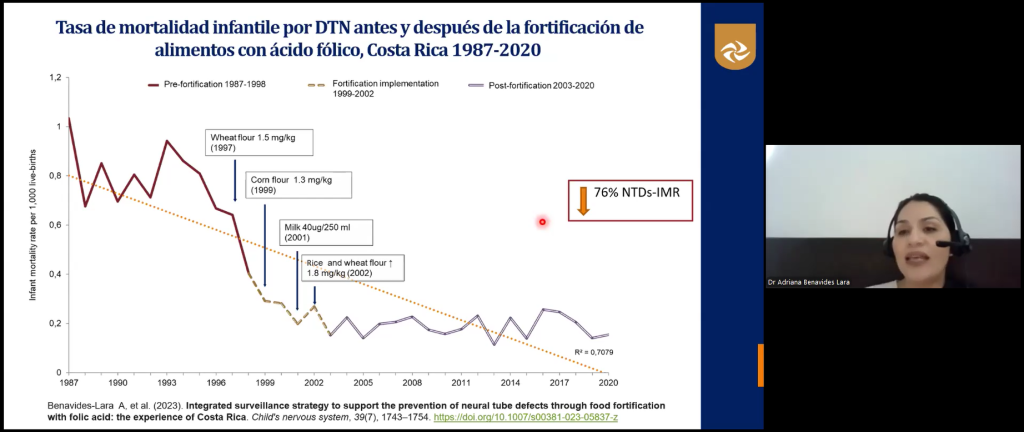
Costa Rica’s National Food Fortification Program was presented as a model of success. Between 1987 and 2010, the country implemented the National Food Fortification Program, which resulted in an 84% decrease in folate deficiencies in fertile women and a 53% average decrease in NTD prevalence. Important elements for its success were an effective public-private coordination and the use of multiple fortification vehicles (wheat and maize flour, milk and rice), according to Dr. Benavides, Coordinator of Costa Rica’s Reference Centre for Congenital Diseases.
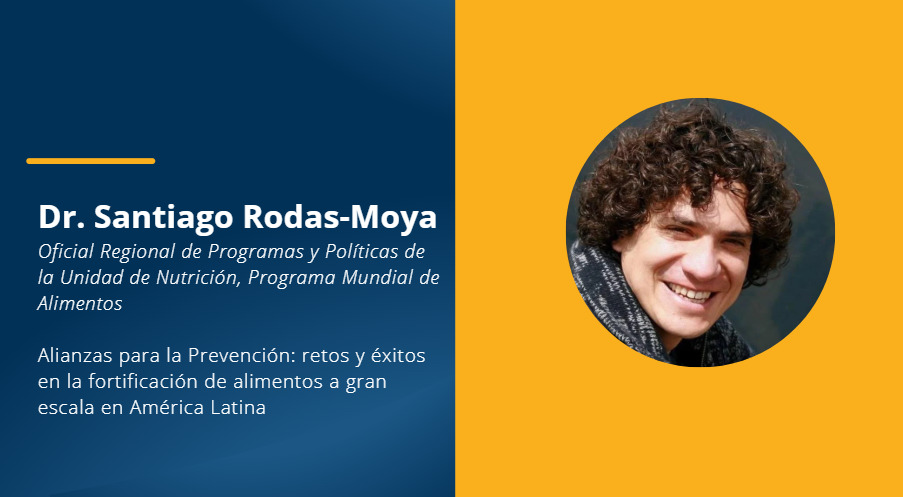
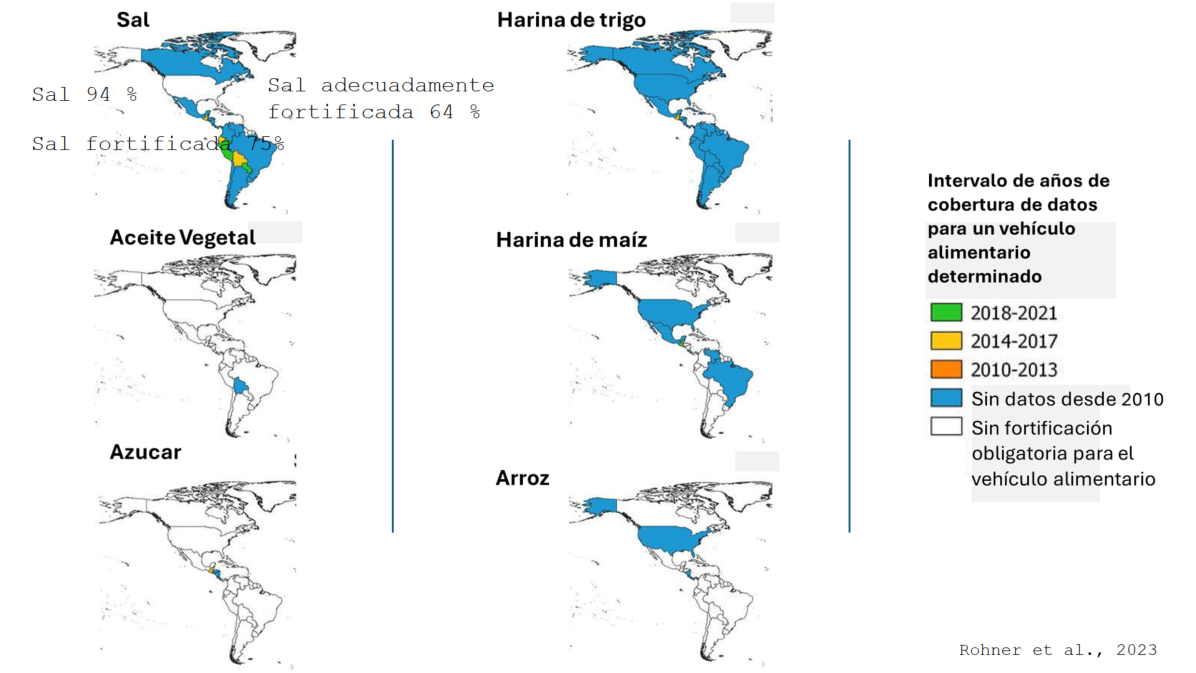
Regional comparisons illustrated the effectiveness of fortification strategies. Chile’s folic acid fortification program reduced NTDs from 17.1 to 8.6 per 10,000 births between 2001 and 2009, with Spina Bifida occurrences decreasing by 52%. Guatemala was the first country to fortify sugar with vitamin A in 1974, demonstrating that a well-structured program using a widely consumed vehicle can rapidly improve nutrition. According to Dr. Rodas-Moya, Regional Programme and Policy Officer at the World Food Programme, successful programs share several key elements: solid legal frameworks, vehicle availability, academia/public/private sector collaboration, strong monitoring systems, and program continuity. However, challenges remain, particularly the lack of effective external control systems and up-to-date compliance data in many countries.
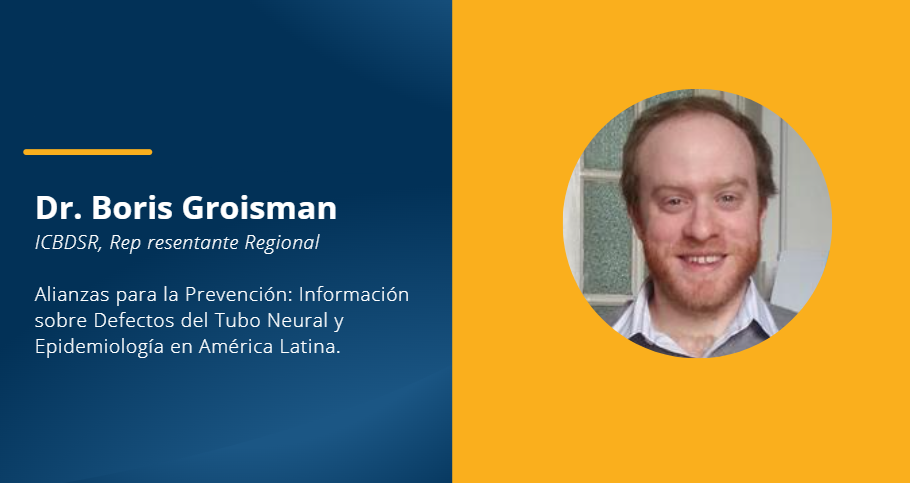
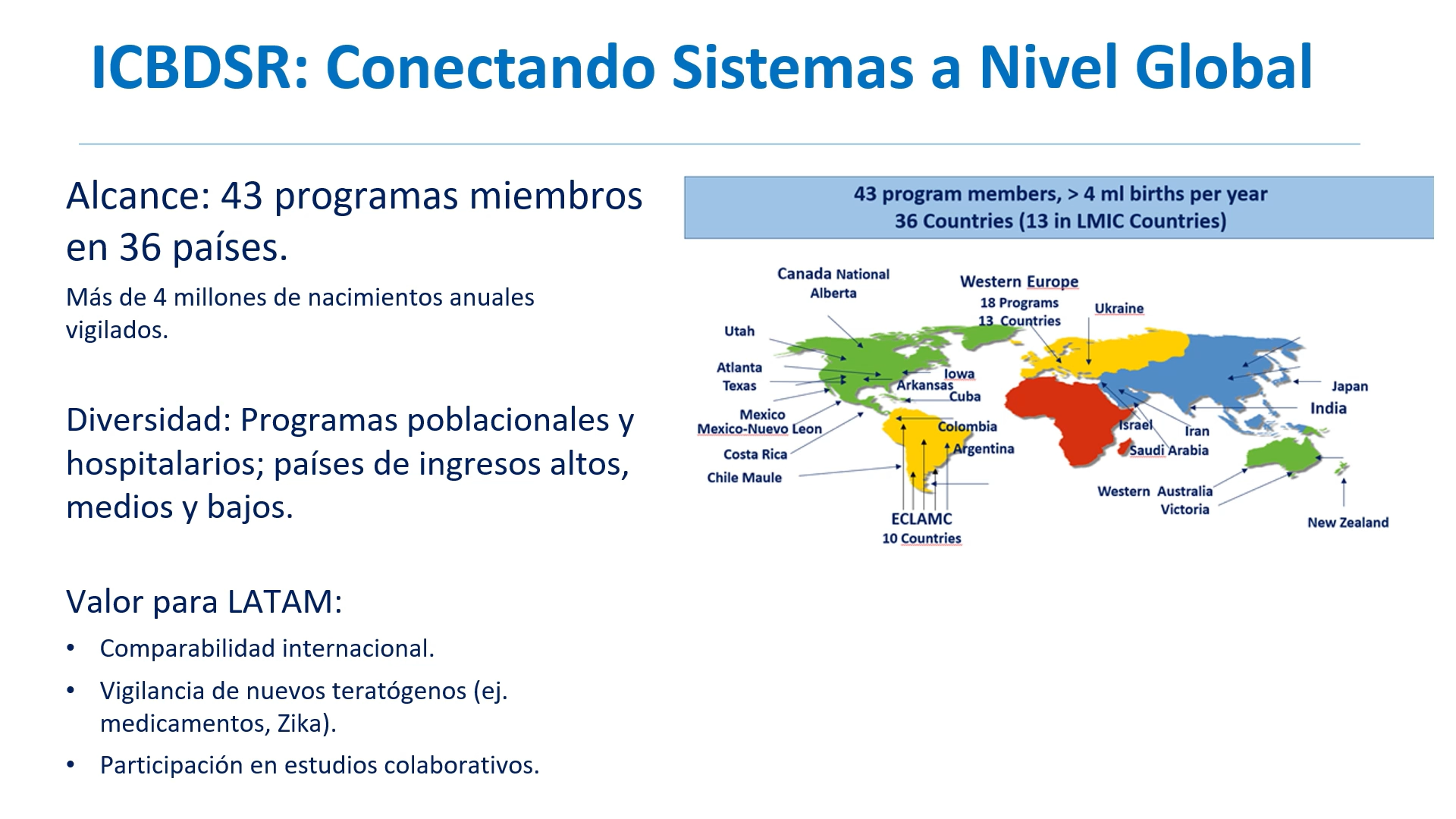
The availability of high quality and reliable data was highlighted as essential for planning and evaluation. Argentina’s National Registry of Congenital Anomalies (RENAC) collects hospital-reported birth defects data on a national level, enabling evidence-based decision making. It is an hospital-based birth defect surveillance system, composed by a network of 162 maternity wards. In 2024, the system reported 160 cases of NTDs. On a regional and international level, the International Clearinghouse for Birth Defects Surveillance and Research (ICBDSR) supports comparative studies, knowledge exchange, and early detection of new risk factors, strengthening prevention strategies across countries. This initiative brings together birth defect surveillance and research programmes from 36 different low, medium and high income countries, monitoring more than 4 million births per year. Dr. Groisman, ICBDSR Regional Representative, underlined that the organization enables access to collaborative studies, insights on international comparability of programs, and monitoring of new teratogens.
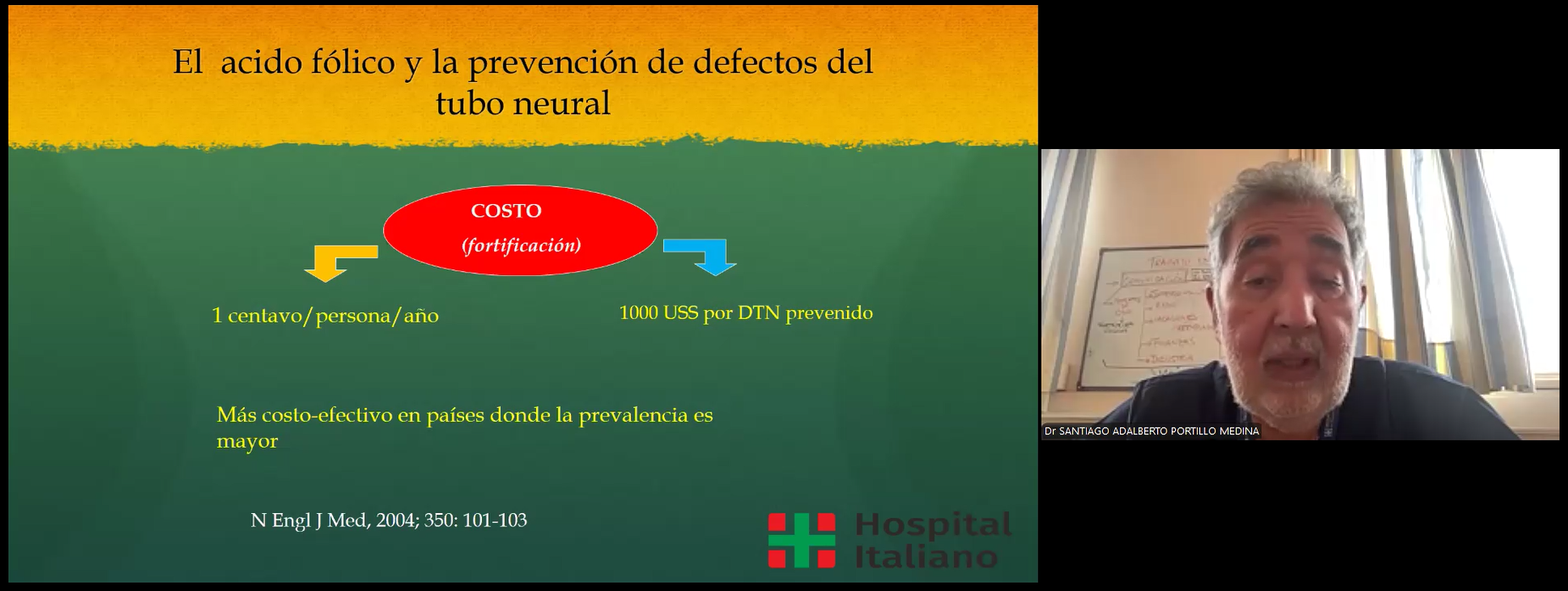
Lessons learned from Argentina show another central element for the effectiveness of folic acid food fortification strategies, that is sometimes underestimated: the strategic role of healthcare professionals in guiding women of childbearing age. Dr. Portillo, Deputy Head of the Pediatric Neurosurgery Service at the Italian Hospital of Buenos Aires, also shared an important reflection on the significant cost-effectiveness of preventing NTDs through folic acid fortification. He noted that the costs of prevention are substantially lower than the long-term healthcare expenses associated with managing NTDs.
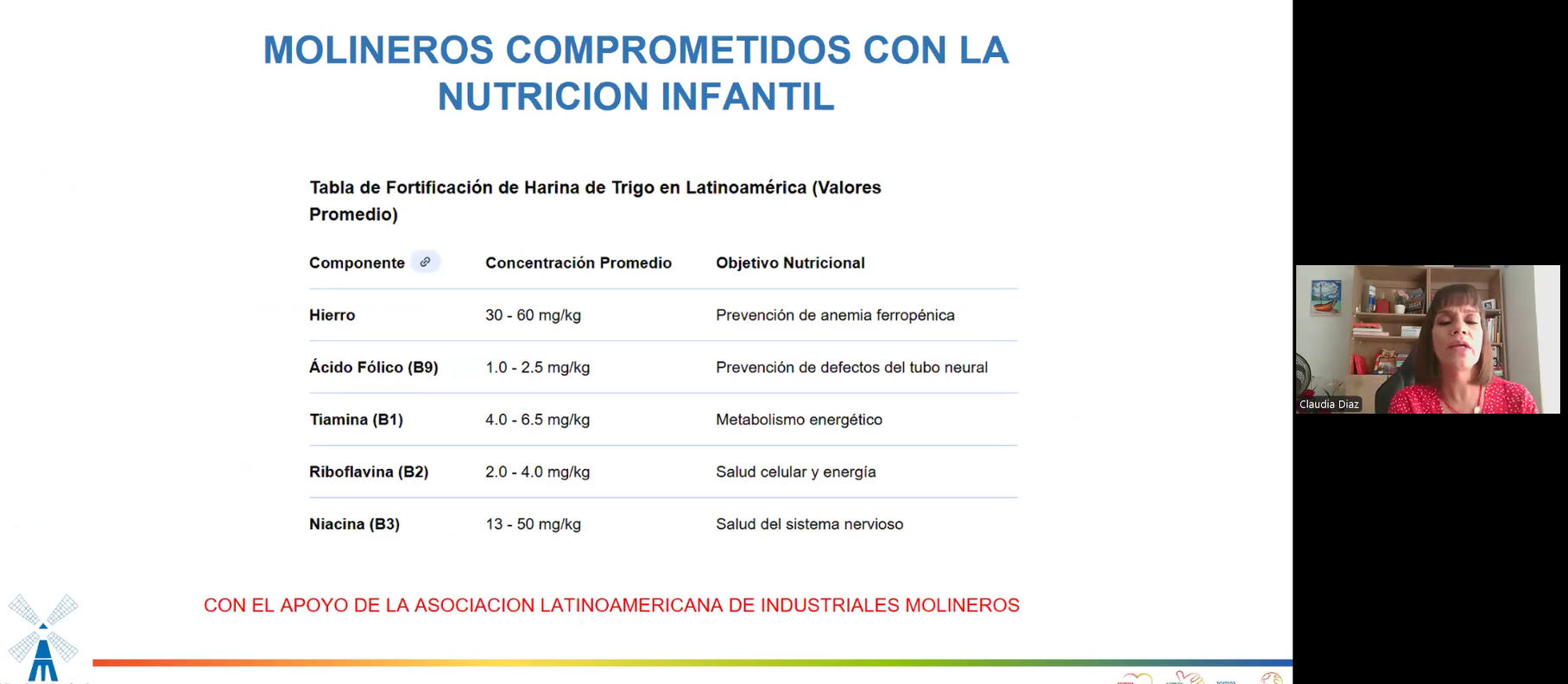
The private sector was recognized as a key partner in scaling up prevention efforts, as highlighted by Claudia M. Díaz Chaustre from Santa Marta’s Milling Plant Management in Colombia. Millers play a crucial role in advocacy, and when they collaborate with people with lived experiences, they form a powerful voice to make food fortification a reality. Regional collaboration among millers is also essential, as emphasized by Claudia, particularly through the annual International Association of Operative Millers (IAOM) regional conference, which fosters knowledge-sharing and joint initiatives. Multi-sector partnerships further strengthen these advocacy efforts, with millers supporting fortification programs and ensuring compliance with standards.
Finally, the multifactorial nature of NTDs was underscored whereby Prof. Dr. Wertelecki, IF Senior Expert, concluded the webinar by emphasizing on three points: first, reliable data is essential to guide public health interventions and measure impact. Second, NTDs have multiple risk factors related to diabetes and environmental exposures. Third, families should be treated as the central focus of care, with healthcare systems providing coordinated support and access to comprehensive care for persons living with Spina Bifida. Prof. Wertelecki stressed that training healthcare professionals and integrating family-centred strategies are key to strengthening prevention and care outcomes.
Key Takeaways
Folic acid food fortification is a well-established, cost-effective approach to preventing neural tube defects, including Spina Bifida. Participants highlighted several important messages regarding its implementation and impact:
- Reliable data to guide policies and measure impact.
- Strong, inclusive policies that consider the needs of civil society and affected families.
- Effective public-private coordination to ensure program implementation and sustainability.
- Robust monitoring systems to guarantee compliance and quality.
- Regional and international collaboration to share experiences, best practices, and lessons learned.
By combining these elements, countries can significantly reduce the prevalence of neural tube defects and improve health outcomes for families across Latin America.
Moving Forward
Sharing experiences and building partnerships across countries allows for more coordinated, evidence-based action. With a shared vision, Latin America can achieve lasting change in NTD prevention and ensure comprehensive support for persons living with Spina Bifida and their families.
IF will continue promoting dialogues, initiatives, and knowledge exchange throughout the year to advance folic acid food fortification in regions around the world. Stay tuned for more news!
Do you want to learn more on what you can do to advance folic acid food fortification in Latin America? Don’t hesitate to reach out by sending us an email at [email protected]
Resources
For more information on this topic, please find the WFAAW26 toolkit here in English and Spanish. A separate additional contribution from the speaker Prof. Dr. Wertelecki is available here.
Please find here the recordings of the sessions of the webinar:
Opening & Regional Perspective, Dr. Sylvia Roozen https://youtu.be/sRgJji2oIag
Policy in Action: An example of the impact of Folic Acid Fortification Across Latin America, Dr. Adriana Benavides https://youtu.be/TgotT9LYjzA
Partnerships for Prevention: Challenges and Successes in Large-Scale Food Fortification in Latin America, Dr. Santiago Rodas-Moya https://youtu.be/vO8Y7DzLezw
Partnerships for Prevention: NTD Data and Epidemiology in Latin America, Dr. Boris Groisman https://youtu.be/Fl7pY4funOE
Evidence That Matters: Research Insights on Folic Acid and NTD Prevention, Dr. Santiago A. Portillo Medina https://youtu.be/meAJUz1Niek
The Perspective of Private Sector: Millers in Action, Claudia M. Díaz Chaustre https://youtu.be/0t6DuJeCXwg
Lessons from the Past: A Historical Perspective on NTD Prevention in Latin America, Prof. Dr. Wladimir Wertelecki https://youtu.be/swQHRGKuqPs